Protein once lived in the supplement aisle. Now it’s called out on every packaged good at the grocery store, from pasta to waffles. What started as a fitness trend in the 1990s has evolved into a mainstream purchase driver across nearly every grocery category, and in 2024, the rise of GLP-1 medications has pushed food manufacturers to accelerate protein-forward innovation even further.
The category is growing. But for CPG marketers, that growth comes with a targeting problem.
Purchase data tells you what. Pre-shop intent tells you why.
As more products carry a protein badge, purchase data alone becomes a weaker signal. A shopper who buys Uncrustables today might be motivated by convenience, their kids’ lunchboxes, or a genuine focus on protein intake. Targeting an incidental buyer with a high-protein message not only misses the mark, but also wastes spend on a value proposition built for a different shopper entirely.
That’s where pre-shop planning data changes the equation. When shoppers build their grocery lists before a trip, they signal true purchase intent. We analyzed more than 190 million CPG items added across 45 popular digital shopping list apps to understand what protein-seeking shoppers are actually planning to buy — and what that means for how brands should target, convert, and grow.
What we found
Protein bars, shakes, and drinks still hold the largest share of voice on shopping lists at 57.1% — but enhanced staples are the ones to watch. Protein pasta, waffles, pancakes, and chips are growing at 2-3X the rate of powders, bars, and shakes. Individual enhanced staple products posted year-over-year growth between 77% and 96%.
And the brand race? It’s still wide open. Across every protein subcategory we analyzed, unbranded entries dominate shopping lists — meaning most protein shoppers are in active consideration mode. They know they want protein. They haven’t decided what brand to buy. That’s a high-intent moment with no incumbent to displace.
There’s also a significant cross-sell opportunity hiding in plain sight. More than two-thirds of protein shoppers plan purchases from only one of three subcategories: powders, bars and drinks, or enhanced staples. For brands with broader portfolios, that’s a concrete path to incremental growth — and pre-shop intent data is what makes targeting by flavor preference, occasion, or protein type possible.
The bottom line
Protein’s growth is real, but reaching the right shopper with the right message requires knowing the intent behind the basket. The pre-shop planning moment is one of the highest-value windows available to CPG advertisers right now — and most brands aren’t using it.
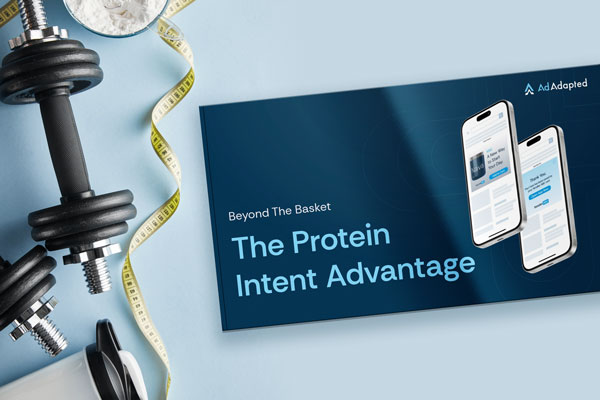
We put everything we found into a new report. Download The Protein Intent Advantage to see what’s in shoppers’ carts before they ever get to the shelf.